Assessing a property requires a significant shift in perspective from the aesthetic to the structural. While many buyers naturally focus on the interior finishes, kitchen layouts, and floor plans, the long term value of a North Shore home depends primarily on its physical integrity. This guide provides an authoritative framework for evaluating the core components of a residence, ensuring that your investment remains secure against the unique environmental challenges and geological conditions of our specific region. By understanding the physics of the property, you can make a data driven decision that transcends the initial emotional appeal of a listing.
The first and most critical area of focus is the foundation and its relationship with the surrounding soil. In the North Shore area, soil composition varies significantly, ranging from dense, expansive clay to rocky outcroppings and sandy deposits near the coast. A sound foundation must account for these variations through proper design and drainage. When touring a property, buyers should look for evidence of structural movement such as vertical or diagonal cracks in the basement walls. Horizontal cracking is particularly concerning as it often indicates significant hydrostatic pressure from the surrounding soil pushing against the structure. A stable foundation is the bedrock of property value, and any signs of compromise should be met with a professional engineering assessment rather than a simple cosmetic fix. Look for signs of recent patching or fresh paint in the basement, as these can sometimes mask underlying issues that require more than a surface level solution.
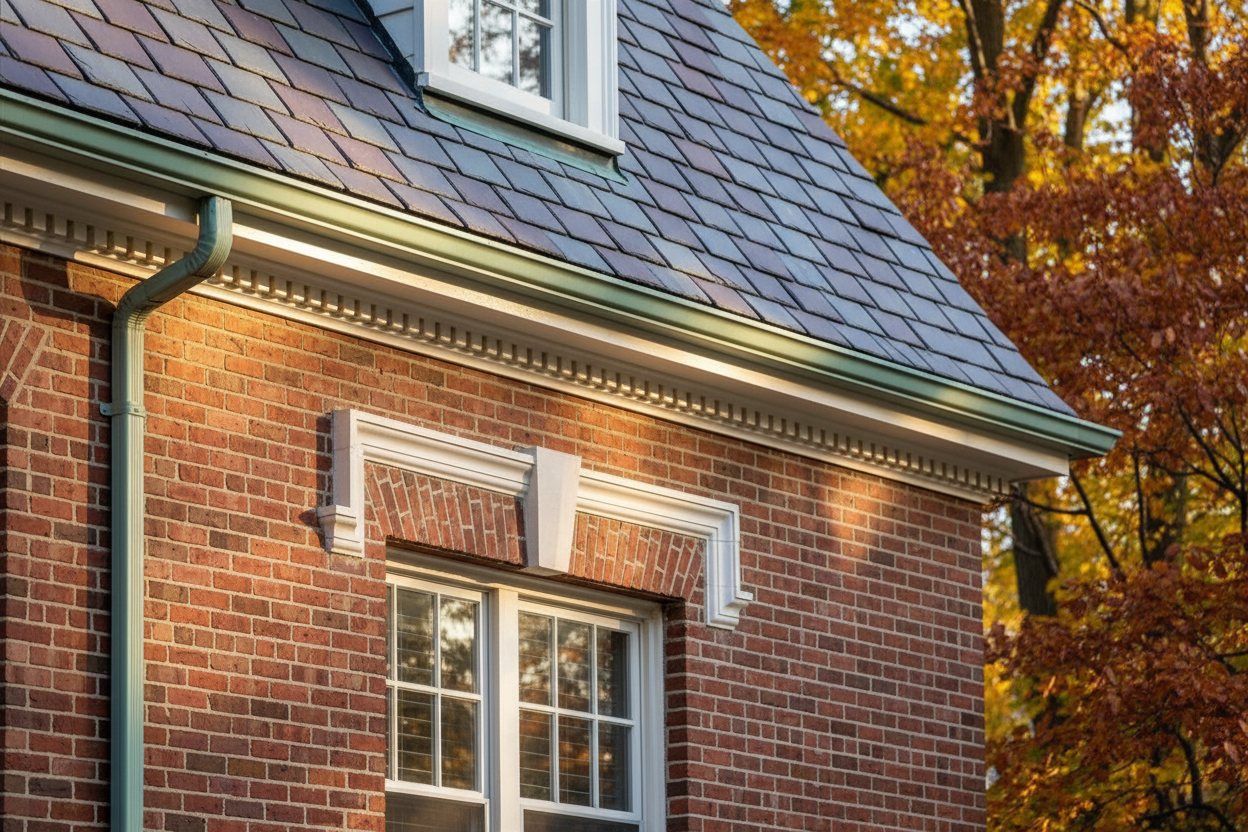
Moisture management is another localized concern that demands rigorous scrutiny during the due diligence period. Given our seasonal climate and the potential for high humidity, the building envelope must be impervious to the elements. This includes the roof, the siding, and the window seals. Buyers should examine the age and material of the roofing system with a focus on durability. For example, slate or high quality tile roofs offer longevity but require specialized maintenance and structural support due to their weight. Conversely, asphalt shingles have a finite lifespan and should be inspected for granular loss, curling, or signs of previous leaking. Effective drainage systems, including properly pitched gutters and downspouts that direct water at least six feet away from the structure, are essential for preventing basement seepage and soil erosion. Water is the primary enemy of structural longevity, and its management should be a top priority for any serious buyer.
Beyond the exterior shell, the mechanical systems of a home represent a significant portion of its operational health and future capital expenditure. The heating, ventilation, and air conditioning systems, along with the electrical panel and plumbing, must be evaluated not just for their current functionality but for their capacity to meet modern demands. An authoritative inspection will verify the amperage of the electrical service to ensure it can support contemporary needs such as high speed data infrastructure and electric vehicle charging requirements. Similarly, plumbing systems should be checked for material type: older properties may still feature galvanized pipes which are prone to internal corrosion and reduced water pressure over time. Upgrading these core systems is a capital intensive endeavor that should be factored into the initial purchase negotiations and long term budget.
Ventilation and insulation are often overlooked by general readers but are critical for both comfort and structural preservation. In our region, inadequate attic ventilation can lead to ice damming in the winter and excessive moisture buildup in the summer. Both scenarios can result in wood rot and mold growth within the attic space or wall cavities. Buyers should look for evidence of baffles and ridge vents that facilitate consistent airflow from the soffits to the peak of the roof. Proper insulation not only reduces energy costs but also stabilizes the internal temperature of the building materials, extending their overall lifespan and preventing the expansion and contraction that leads to cosmetic cracking in plaster and drywall.
The importance of specialized inspections cannot be overstated when dealing with high value real estate. While a general home inspector provides a vital broad overview, certain North Shore properties may require niche expertise to fully understand their condition. If a home is situated on a significant slope or near a bluff, a geotechnical survey might be necessary to assess the stability of the land itself. If the property features older masonry or ornate stonework, a tuckpointing specialist can determine if the mortar joints are failing and if the masonry requires deep cleaning or sealing. Engaging specialists during the due diligence period allows for a more granular understanding of the property's physical condition and prevents expensive surprises after the closing.
Finally, buyers must consider the historical maintenance of the property as a predictor of future performance. A well documented history of repairs and upgrades is a strong indicator of a home's health. Reliable sellers will often provide records of roof replacements, boiler services, and structural reinforcements. This data driven approach to due diligence removes the emotional guesswork from the buying process and focuses on the reality of the asset. Purchasing a home is an acquisition of a complex system of interconnected parts, and a thorough physical evaluation is the only way to ensure that this system will perform reliably for decades to come. By focusing on these core structural elements, North Shore buyers can move forward with the confidence that their physical asset is as robust as their financial investment.