The vibrant hum of Michigan Avenue on a Saturday morning, the spontaneous dinner reservation in West Loop, the familiar clang of the CTA at midnight; these are the sensory benchmarks of Chicago city living. For many, this urban symphony defines their existence. Yet, as seasons turn and life stages evolve, a different rhythm begins to beckon, one of wider green spaces, quieter streets, and the promise of a different kind of community. The North Shore suburbs, with their distinguished schools and architectural heritage, often emerge as the compelling alternative. This transition, however, is not merely a change of address; it is a recalibration of lifestyle, finance, and daily expectation.
Understanding the Financial and Logistical Shifts
One of the most immediate and often startling revelations for city residents considering the North Shore is the stark reality of property taxes. While city assessments often seem substantial, the tax burden in many North Shore communities can be significantly higher, reflecting the robust funding of exemplary school districts and municipal services. Prospective buyers must factor this substantial, ongoing commitment into their financial projections. A property's listing price is merely the entry point; understanding the annual tax bill is paramount to sustainable homeownership.
The Metra Union Pacific North Line becomes more than just a train; it transforms into a daily conduit between two distinct worlds. For those accustomed to the frequent, ubiquitous access of the CTA, the Metra offers a different cadence. While many commuters appreciate the opportunity for focused work or quiet reading, the fixed schedule and longer transit times demand a new level of planning and patience. Station access, parking availability, and the last train home are details that swiftly become integral to daily routines, replacing the spontaneous freedom of city transit.
Embracing a New Cadence of Life
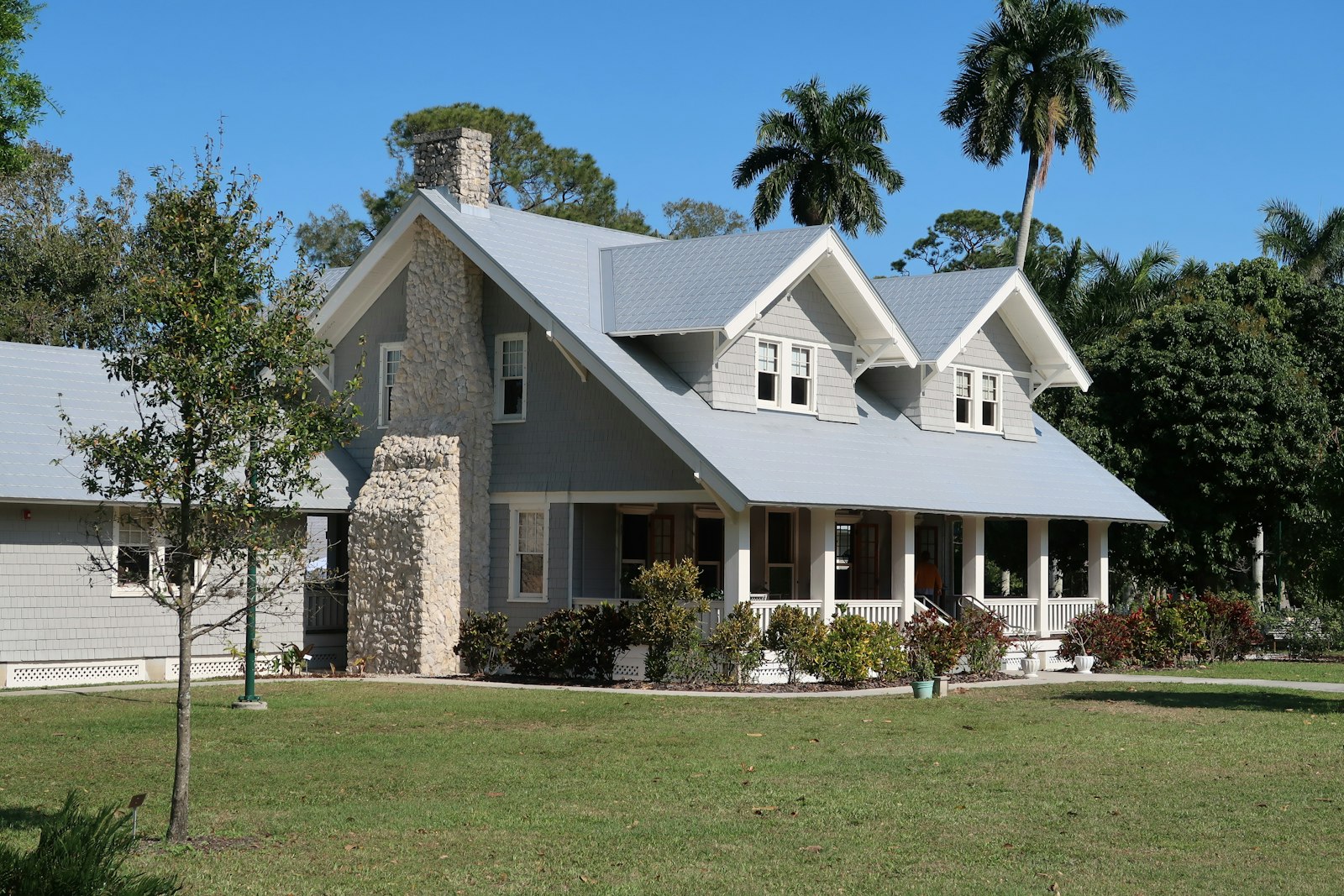
Moving from a condominium or apartment often means shedding the responsibilities of external maintenance. In the suburbs, however, the expanse of a lush lawn, the pristine gutters, and the intricate landscaping become the homeowner's domain. The charming Victorian or spacious mid-century modern home comes with an inherent obligation for upkeep: regular lawn care, seasonal planting, snow removal, and the general vigilance required to maintain a larger property. This translates into either a significant investment of personal time and effort or a considerable budget for professional services, a concept often new to urban dwellers.
For families, the allure of North Shore schools is a primary driver. These districts consistently rank among the nation's best, offering unparalleled educational opportunities. However, navigating this landscape requires diligent research. School attendance boundaries are precise; a difference of a few blocks can mean a completely different district. Prospective residents must meticulously verify the specific schools associated with any property of interest, understanding that the strength of a school system is intrinsically linked to property values and community identity.
The vibrant, spontaneous social fabric of the city yields to a more deliberate and often quieter rhythm in the suburbs. While community spirit thrives, it often manifests through school events, neighborhood gatherings, and local clubs rather than chance encounters at a coffee shop or late-night dining. Evenings tend to be more subdued, access to diverse cultural events requires forethought and travel, and the sense of immediate, constant stimulation gives way to a more tranquil domesticity. This shift can initially feel isolating to some city dwellers, but for many, it evolves into an appreciation for a more focused, family-centric, and community-driven existence.
The journey from Chicago's urban heart to the serene enclaves of the North Shore is a profound one, rich with the promise of more space, top-tier education, and a distinct quality of life. It is not, however, a transition to be undertaken without careful deliberation. By honestly assessing the financial commitments, embracing the logistical adjustments, and recalibrating one's expectations for daily life, city dwellers can successfully navigate this significant move, unlocking a fulfilling new chapter in one of the Midwest's most desirable regions. The quiet rustle of leaves, the sound of children playing in a spacious yard, and the structured calm of a Metra ride can indeed become a new, cherished symphony, provided one is prepared to listen.