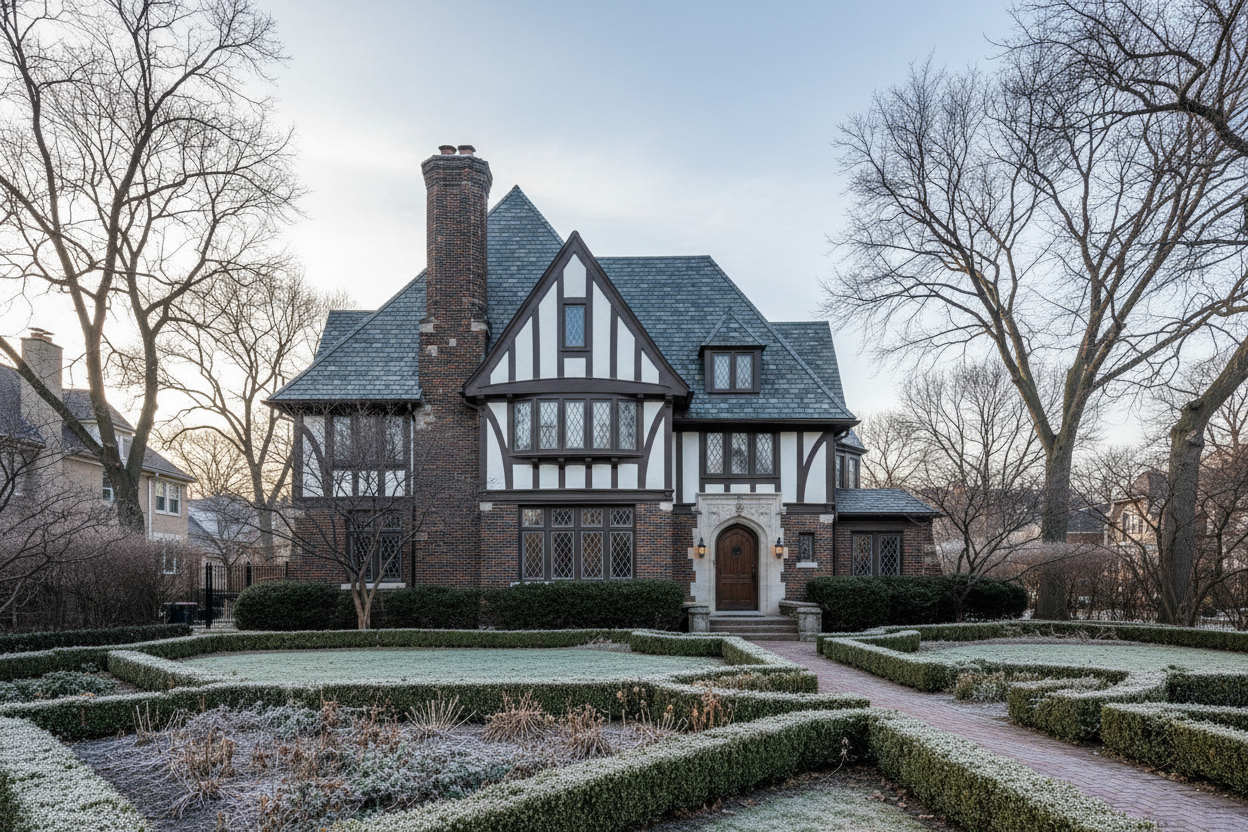
The North Shore remains one of the most architecturally diverse regions in the country, offering a portfolio that spans from the ornate details of the Victorian era to the clean lines of the mid-century modern movement. For a prospective buyer, these homes represent a unique asset class that behaves differently than the standard residential market. While new construction offers the convenience of modern systems, historic properties offer a level of character and craftsmanship that is increasingly rare. Understanding how to evaluate these properties is essential for any buyer looking to build long term equity while enjoying the prestige of a classic home.
Architectural integrity is the most critical metric when assessing the value of a historic property. This term describes the extent to which a home retains its original design intent and physical materials. A property that has been carefully maintained with its original windows, hardwood flooring, and decorative moldings will consistently outperform a renovated home where these features have been replaced with contemporary substitutes. The market places a high premium on authenticity because these elements are prohibitively expensive to replicate today. When a buyer chooses a home with high integrity, they are investing in a finite resource that gains value as similar properties are lost to modernization.
Prospective buyers should also consider the economic stability provided by historic district designations. Research into real estate trends consistently shows that homes located within designated districts tend to be more resilient during market downturns. The protections afforded by these districts prevent the construction of out-of-scale structures that could negatively impact the neighborhood aesthetic. By purchasing a home in such an area, a buyer is not just buying a house: they are buying a guarantee that their surroundings will remain aesthetically consistent for the duration of their ownership. This collective agreement acts as a shield against the erratic developments that can sometimes occur in non-designated neighborhoods.
Navigating the regulatory environment is a standard part of the historic home buying process. Many municipalities on the North Shore have established commissions that review proposed changes to a home exterior. While some may perceive this as a hurdle, it is actually a form of collective value protection. These commissions ensure that any renovations meet a standard of quality that benefits the entire community. A buyer should conduct due diligence by meeting with local planning offices to understand the specific requirements for their potential property. Knowing whether a home is listed on a local or national register can also reveal potential financial benefits, such as property tax freezes or specialized grants intended to offset the cost of restoration.
Maintenance for a historic home should be approached with a long term perspective. The materials used in older homes, such as old-growth heartwood and hand-pressed brick, are often superior in durability to modern equivalents. However, they require specialized knowledge to maintain. For example, using modern portland cement to repair lime-based mortar can cause permanent damage to historic masonry. A buyer should prioritize building a relationship with contractors who have documented experience in historic restoration. These professionals understand how to integrate modern comforts, such as high-efficiency climate control, without compromising the architectural fabric of the building.
The lifestyle benefits of a historic home are equally compelling. These properties were often designed to take advantage of natural light and ventilation, featuring high ceilings and strategic window placements that modern builders often overlook. The sense of scale and the quality of the materials provide a tactile experience that mass-produced homes cannot match. As more buyers seek out homes with a sense of place and history, the demand for well-preserved architectural gems on the North Shore continues to grow. This shift in buyer preference ensures that the demand for authentic historic properties remains high, even as styles change.
Ultimately, the decision to purchase a historic property is a commitment to stewardship. It is an opportunity to own a piece of architectural history while benefiting from a stable and appreciating investment. By focusing on architectural integrity, understanding the local regulatory landscape, and prioritizing specialized maintenance, a buyer can ensure that their historic home remains a source of pride and financial security for many years to come.