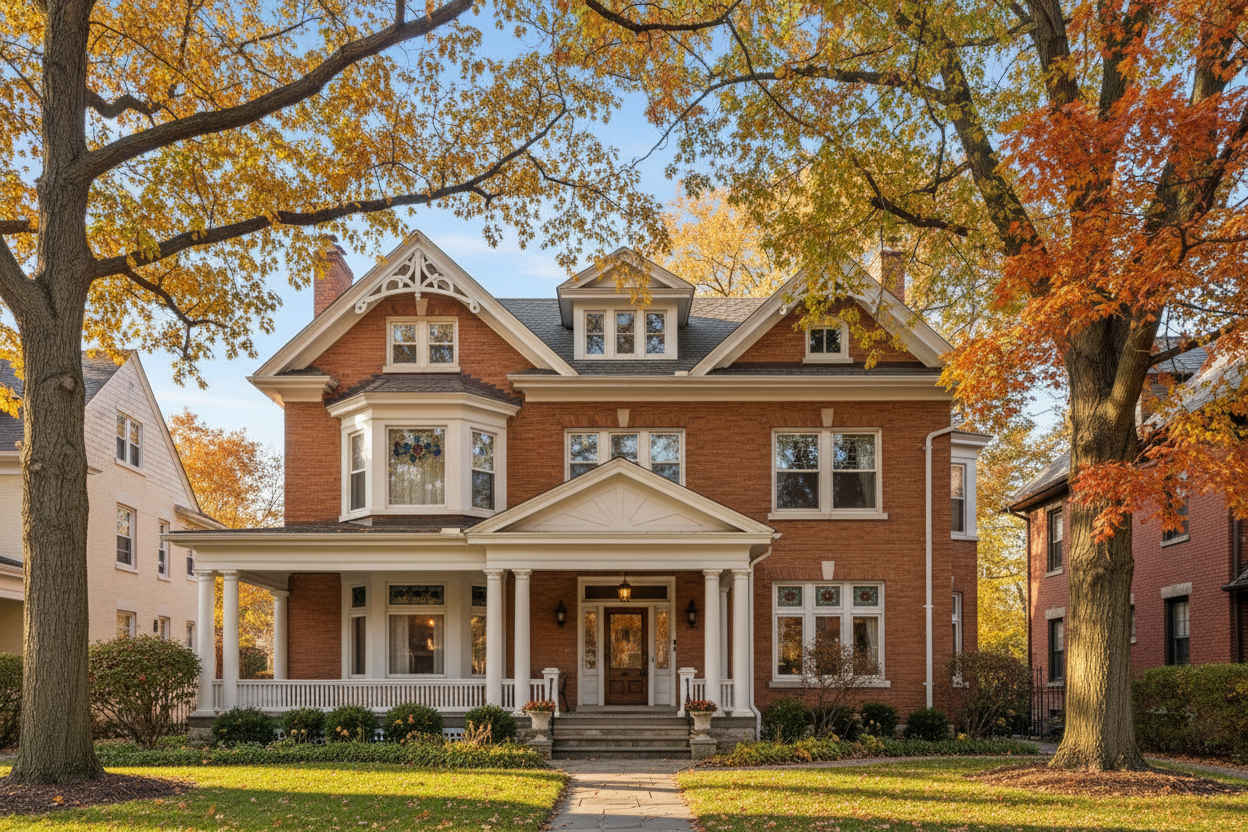
The North Shore landscape is defined as much by its architectural heritage as its geography. While coastal properties often command attention for their proximity to the water, the inland districts offer a different type of prestige rooted in historical continuity. These neighborhoods, characterized by mature tree canopies and homes that reflect the craftsmanship of previous generations, provide a case study in how aesthetic preservation translates into financial resilience. Investing in historical integrity is often a more reliable path to long term appreciation than chasing contemporary design trends.
Data indicates that historical districts often outperform contemporary developments during periods of market fluctuation. This phenomenon, frequently referred to as the heritage premium, occurs because the supply of authentic historical architecture is inherently limited. Unlike modern subdivisions where designs can be replicated, a neighborhood comprised of well-preserved Victorian, Colonial, or Tudor Revival homes offers a scarcity that sustains demand. Buyers in these areas are often seeking more than just square footage: they are investing in a sense of place that cannot be manufactured by modern builders.
The impact of architectural consistency on property appraisal is significant. When a neighborhood maintains a cohesive visual identity, the collective value of all homes within that district tends to rise. Conversely, the introduction of out-of-scale structures or ultra-modern designs that clash with the existing streetscape can sometimes create a disjointed environment that complicates the appraisal process. Appraisers look for comparable properties, and in a neighborhood where preservation is the priority, the abundance of high-quality, historically accurate homes creates a strong baseline for valuation. A cohesive neighborhood aesthetic acts as a form of insurance against the volatility seen in more experimental markets.
Homeowners looking to maximize their investment in these districts should prioritize sensitive restoration over radical transformation. The most successful renovations are those that upgrade the internal systems of a home: such as electrical wiring, plumbing, and climate control: while leaving the exterior facade and interior millwork intact. Preserving original windows, hardwood floors, and ornate plasterwork is not merely a matter of taste: it is a strategic financial decision. Modern buyers are increasingly sophisticated and can distinguish between a high-quality restoration and a quick flip that uses inferior materials. The use of authentic materials: slate, copper, and solid wood: may require a higher initial outlay, but these materials offer a lifespan that far exceeds their synthetic counterparts.
One of the primary drivers of value in inland historical districts is the presence of mature landscaping. While a new build may offer the latest amenities, it often takes decades for a garden to reach its full potential. The presence of century-old oaks and established hedges provides a level of privacy and curb appeal that adds a measurable percentage to a property's market price. In many cases, the value of the land in these established neighborhoods is bolstered by the environmental maturity of the surrounding area, creating a green infrastructure that contemporary developments lack. Preserving the natural surroundings of a historical home is just as critical as maintaining the structure itself.
Furthermore, the social fabric of these neighborhoods tends to be more stable. Residents of historical districts often view themselves as stewards of a legacy rather than temporary occupants. This mindset leads to better maintenance of individual properties and a more active involvement in local preservation efforts. This collective stewardship acts as a buffer against neighborhood decline, ensuring that the area remains desirable for future generations of buyers. When a community values its history, it creates a self-reinforcing cycle of property maintenance and value growth.
When evaluating an inland property, potential investors should look beyond the current trends. While open-concept floor plans are popular today, the traditional layout of a historical home offers a functional versatility that has stood the test of time. Formal dining rooms, libraries, and distinct living areas provide a level of privacy and separation that is often missing in modern homes. As lifestyle preferences shift, these traditional spaces can be adapted for new uses: such as home offices or creative studios: without compromising the structural integrity of the building. The adaptability of classical floor plans is a hidden asset that contributes to the enduring appeal of heritage homes.
In conclusion, the value of a property in the North Shore's inland districts is deeply tied to its history. By choosing to preserve and restore rather than replace, homeowners contribute to a neighborhood identity that is both aesthetically pleasing and economically sound. The heritage premium is not a fleeting trend: it is a fundamental aspect of real estate valuation that rewards those who respect the architectural traditions of the past. Investing in history is, quite literally, an investment in the future stability of the local market.