When navigating the competitive landscape of the North Shore property market, prospective buyers often find themselves captivated by the aesthetic appeal of a home: the polished marble countertops, the intricate crown molding, or the modern kitchen islands. However, experienced investors and savvy homeowners recognize that while interior finishes can be replaced or updated, the fundamental characteristics of the land are permanent. Understanding the intrinsic value of a lot is the most critical step in securing a legacy property that will appreciate steadily over time. This guide explores the data-driven factors that define a superior parcel of land, focusing on the unique topographic and geographic features of our coastal region.
Topography and Elevation Dynamics
The physical contour of a lot dictates everything from drainage patterns to the potential for future expansion. In our coastal climate, elevation is a primary driver of value. A lot that sits significantly higher than the street level often commands a premium because it offers superior privacy and improved natural light. Furthermore, higher elevation minimizes the risk of water accumulation during heavy rainfall, a factor that directly impacts long-term maintenance costs and insurance premiums. Buyers should observe the natural slope of the land: a gentle rearward slope might facilitate a walk-out basement, which can increase the total living area without expanding the home's footprint. Conversely, a lot that sits in a depression requires sophisticated drainage solutions and may limit the types of landscaping that can thrive.
Setbacks and the Building Envelope
Every municipality on the North Shore maintains specific zoning regulations that define the building envelope, which is the portion of the lot where construction is legally permitted. These regulations include front, side, and rear setbacks. A common mistake among buyers is assuming that a large lot size automatically translates to a large building capacity. In reality, a narrower lot with deep setbacks may offer less flexibility than a slightly smaller, more rectangular parcel. Understanding the ratio of impermeable surface area to total lot size is essential for anyone considering a future addition, such as a pool or a guest house. Before finalizing an offer, it is prudent to review the plat of survey to visualize the buildable area and ensure it aligns with long-term goals for the property.
Streetscape and Micro-Location Factors
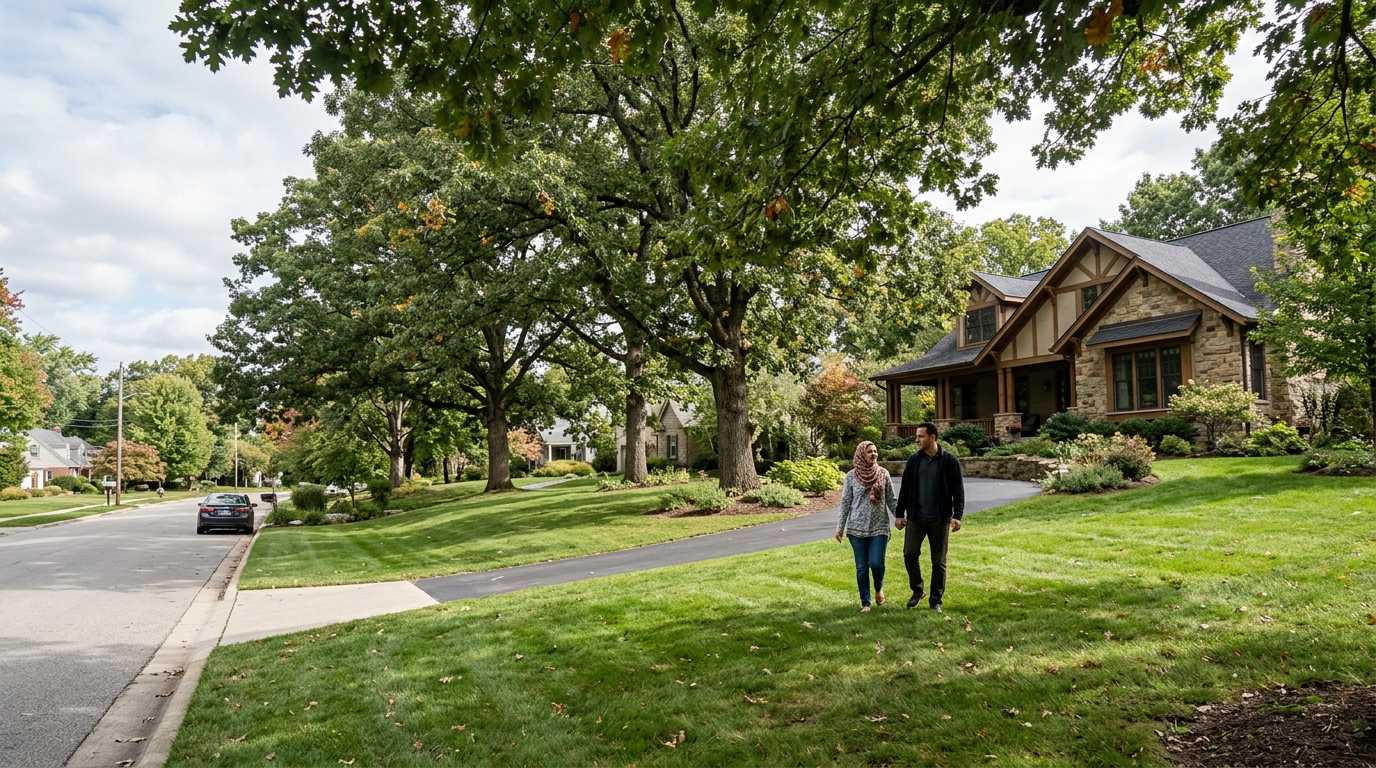
The value of a property is heavily influenced by its immediate surroundings, often referred to as the micro-location. While a neighborhood might be prestigious, the specific placement of a home within that neighborhood can cause significant price variance. Factors such as street width, the presence of mature tree canopies, and proximity to through-traffic are quantifiable metrics of value. A lot located on a cul-de-sac or a quiet crescent typically maintains a higher resale value than one located on a collector street. Additionally, the orientation of the lot relative to the sun should not be overlooked. South-facing backyards are highly coveted because they receive maximum sunlight throughout the year, which enhances the enjoyment of outdoor spaces and provides natural heating for the home during cooler months.
Natural Infrastructure and Site Conditions
The existing vegetation on a lot represents a significant financial asset. Mature trees, specifically hardwoods like oaks or maples, can take decades to grow and provide essential privacy and character that new construction cannot replicate. However, the health of these trees must be assessed, as dying timber near a structure can be a liability. Beyond the visible flora, the quality of the soil and the presence of any underground utilities or easements must be considered. Utility easements can restrict where fences, sheds, or patios are placed, effectively shrinking the usable portion of the backyard. Prospective buyers should always confirm that the land is free of encumbrances that could hinder the quiet enjoyment of the premises.
The Intersection of Privacy and Connectivity
In the North Shore market, the most valuable lots are those that provide a sense of seclusion without sacrificing proximity to local amenities. This balance is often achieved through clever landscaping or the natural curvature of the road. A lot that backs onto a forest preserve, a park, or a permanent green space is considered a gold standard investment because it guarantees that no future development will encroach upon the rear view. Land is the only truly finite resource in real estate: buildings age and styles change, but a well-positioned parcel of land in a desirable coastal community remains a stable store of wealth. By focusing on these timeless lot characteristics, buyers can move beyond the temporary allure of interior design and make a purchase that stands the test of time.